World Electricity Production Structure

Visualization & analysis

Electricity Production Background

Electricity comes from primary energy. Primary energy can be divided into two categories according to whether it is renewable:  

 ⑴ Non-renewable energy. Refers to natural energy that cannot be reproduced. It is becoming less and less with human use, such as fossil energy (such as coal, oil, natural gas) and nuclear fuel (such as uranium, thorium, etc.).  

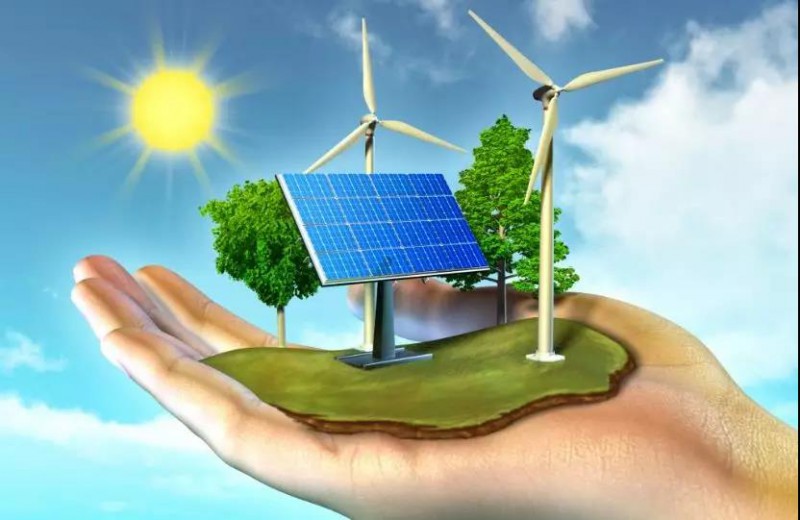
 ⑵ Renewable energy. Refers to the natural energy that can be produced repeatedly, that is, it will not decrease with its own transformation or human use, such as solar energy, hydropower, wind energy, geothermal energy, ocean energy, biomass energy, tidal energy, etc.
Jump to Sources

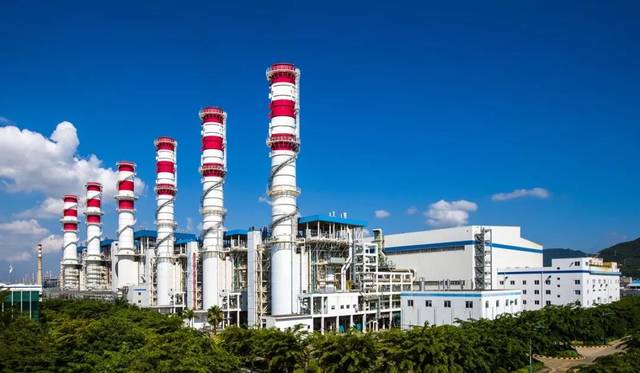
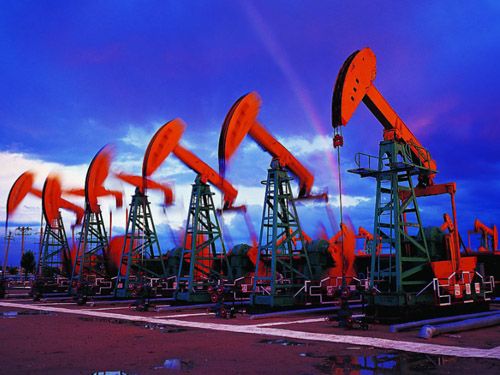
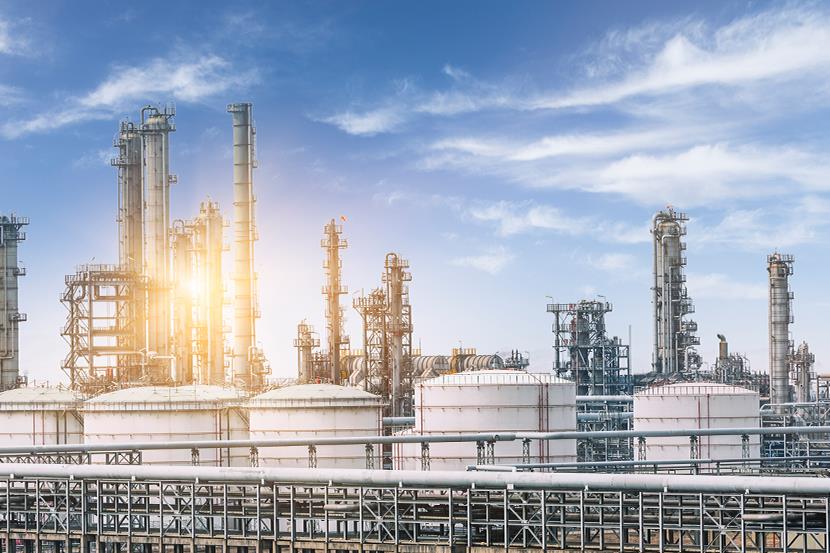
Fossil

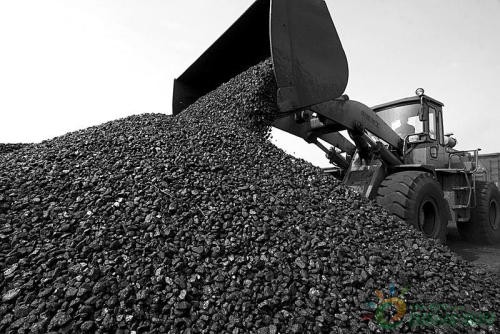
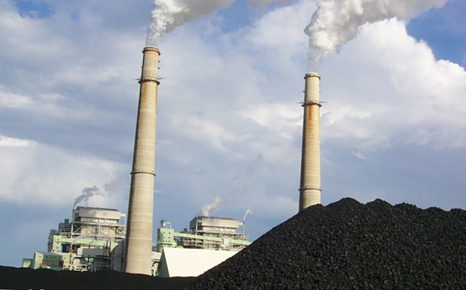
Fossil fuels are hydrocarbons, primarily coal, fuel oil or natural gas, formed from the remains of dead plants and animals.

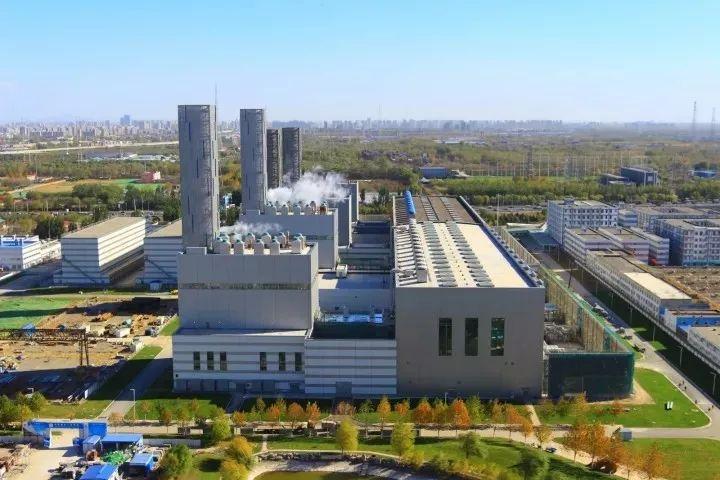
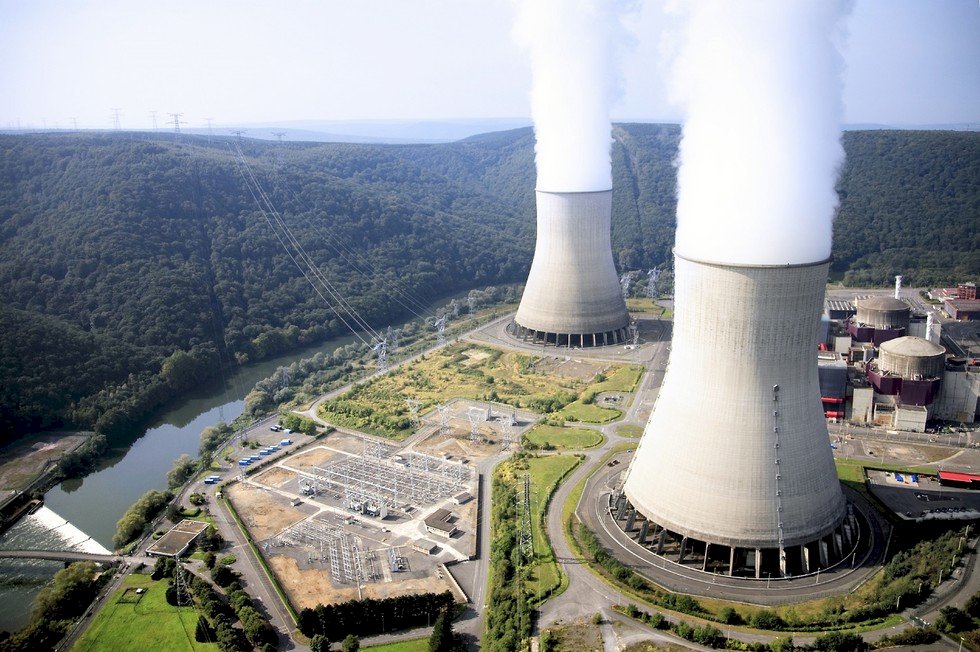
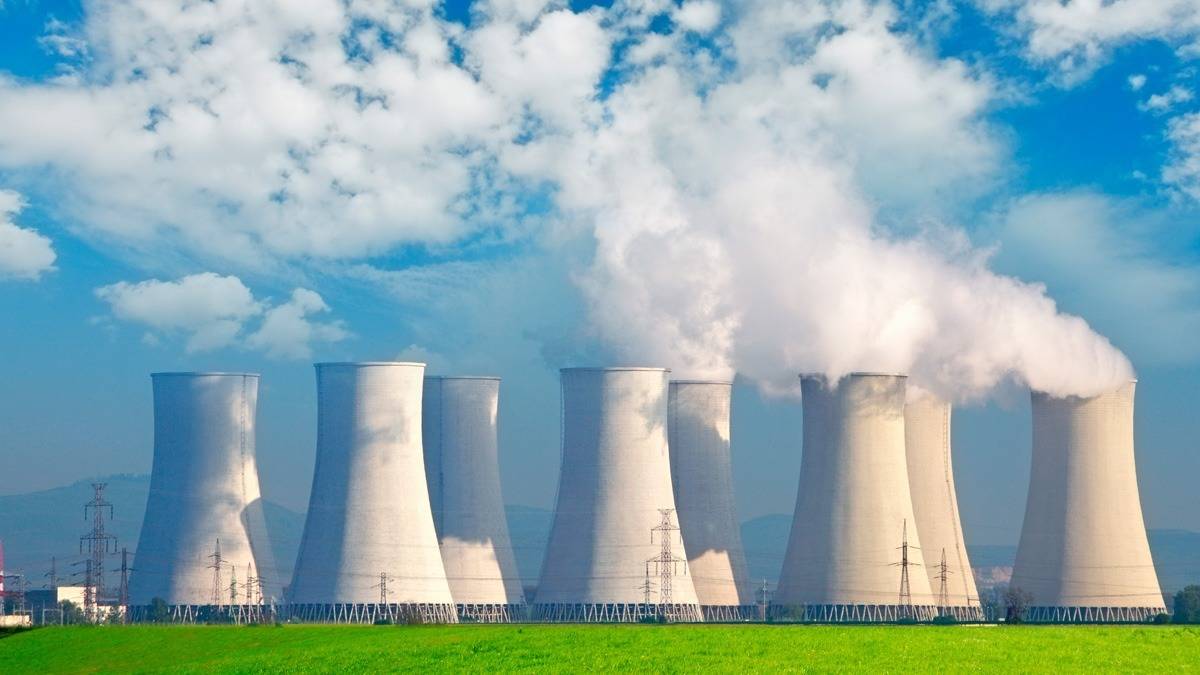
Nuclear

Nuclear energy originates from the splitting of uranium atoms – a process called fission. This generates heat to produce steam, which is used by a turbine generator to generate electricity. Because nuclear power plants do not burn fuel, they do not produce greenhouse gas emissions.

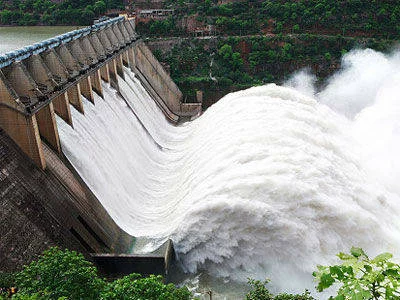
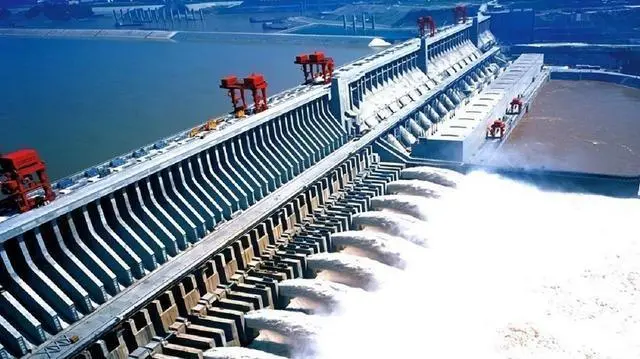
Hydroelectricity

Hydro power is electrical energy produced through the power of moving water. Power obtained from the (typically gravitational) movement of water., Hydropower plants derive energy from the force of moving water and harness this energy for useful purposes.

Other Renewable Sources

Other renewable resource like solar PV, solar thermal, wind, tide and geothermal can also be used in generating electricity and they are developing fastly with latest technologies.

13675

TWh

Fossil Fuel
World total generation by coal, oil, gas in 2008

3288

TWh

Hydroelectricity
Total generation by hydro in 2008

91.74

%

Hydro/Renewable
Hydro power is the main renewable source

30

#

Countries with nuclear power plant
Only a few countries produce electricity by nuclear

Sources

To ensure a vibrant, healthy, and environmentally friendly future, the world needs to launch another industrial revolution, using affordable, accessible and sustainable energy to promote development.

  • All
  • Coal
  • Hydroelectricity
  • Natural Gas
  • Nuclear
  • Oil
  • Renewable (excluding Hydro)

More

In order to reduce resource demand and the impact on the environment, some developed countries have successfully changed the structure of energy reliance


Although there is diversity in the energy structure of different countries, most of them have at least one main electricity generation source.


The map above reveals the world wide distribution of electricity production by various sources. From the map, one can easily observe that region and area factor significantly impact a country's electricity production source.

Conclusions

Coal, although it is not clean and not sustainable, some countries still rely on it hard.

Region, and natural resource are crucial factors that affect a country’s power generation structure.

More countries are shifting and focusing more on renewbale sources. Renewable energy will be the future of development.

Video

Regarding the production of this website, the explanation and summary of the pictures in it, I made a video separately. If you are interested in these additional content, please click the link below to access the video on YouTube.

Go to the video